


How does the CNC Sweeper Truck perform on uneven or rough terrain compared to other municipal sweeper trucks?
The CNC Sweeper Truck performs competitively on uneven and rough terrain, largely due to its robust chassis design, adaptive brush pressure systems, and heavy-duty suspension. Compared to many standard municipal sweeper trucks, the CNC Sweeper Truck maintains consistent sweeping contact even on cracked asphalt, gravel roads, and construction site surfaces — making it a reliable choice for municipalities dealing with diverse pavement conditions. That said, performance differences do exist when placed side by side with premium European competitors, and understanding those gaps helps fleet managers make smarter procurement decisions.
What Makes Rough Terrain Sweeping Challenging
Rough terrain poses specific mechanical challenges for sweeper trucks. When road surfaces are uneven, broom heads lose consistent ground contact, dust suppression nozzles operate at inconsistent angles, and suction performance drops. Hopper vibration increases, which can accelerate wear on structural joints. For municipal operators working in post-construction zones, rural roads, or aging urban infrastructure, these challenges directly affect cleaning efficiency and machine longevity.
A sweeper truck designed for rough terrain must balance three core factors: chassis stability, brush float technology, and debris containment under vibration. These are the benchmarks against which the CNC Sweeper Truck is best evaluated.
CNC Sweeper Truck Design Features for Uneven Surfaces
The CNC Sweeper Truck is built on a reinforced steel frame that absorbs road shock more effectively than lighter-duty competitors. Key terrain-handling features include:
- Floating side brush mechanism: Automatically adjusts brush contact angle up to ±15° to follow surface contours without operator intervention.
- Hydraulic brush pressure control: Maintains consistent downforce between 30–80 kg depending on surface type, preventing brush bounce on gravel or cobblestone.
- High ground clearance: The CNC Sweeper Truck offers up to 280 mm of ground clearance, suitable for debris-littered construction and industrial sites.
- Sealed hopper structure: Reduces dust leakage on bumpy roads, maintaining compliance with PM10 particulate standards even on rough surfaces.
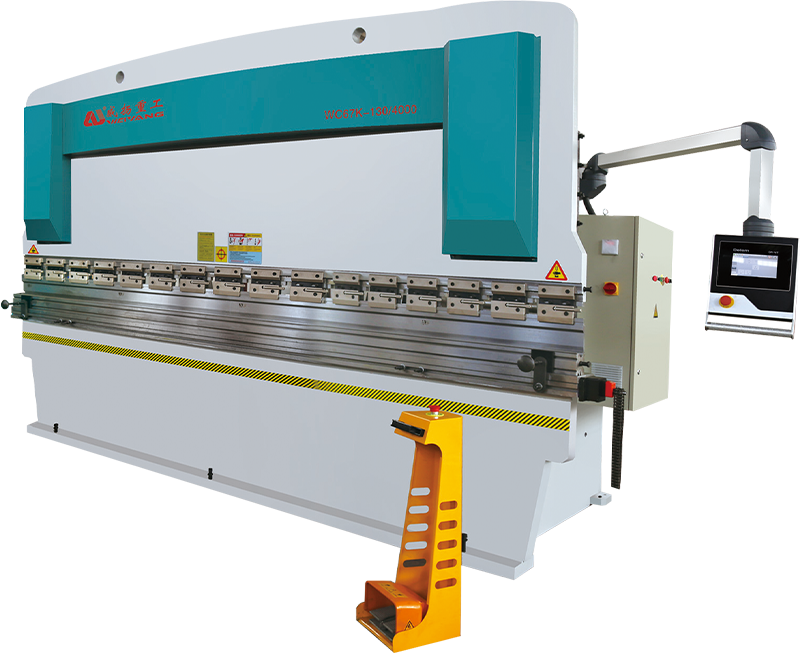
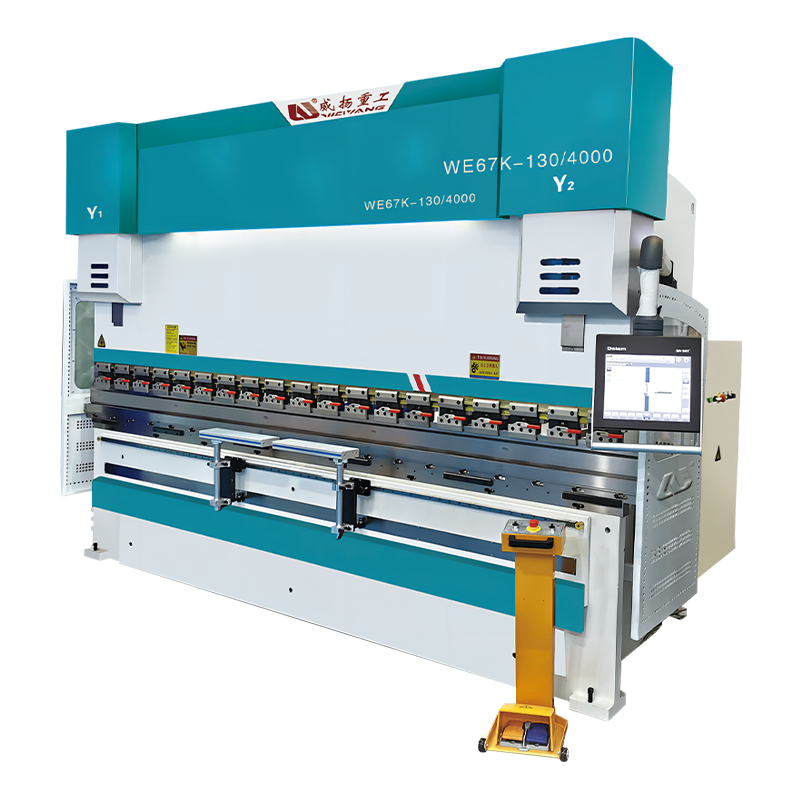
These features are precision-engineered using the same manufacturing principles found in industrial equipment production — much like how a hydraulic press brake applies controlled, programmable force across a workpiece to achieve consistent results, the CNC Sweeper Truck's hydraulic brush system applies calibrated pressure across varying terrain to maintain sweeping accuracy.
Head-to-Head: CNC Sweeper Truck vs Major Competitors on Rough Terrain
To give a clear picture, the table below compares the CNC Sweeper Truck against three widely used municipal sweeper trucks across key rough-terrain performance indicators.
| Feature | CNC Sweeper Truck | Johnston VT651 | Elgin Pelican NP | Bucher CityCat 5006 |
|---|---|---|---|---|
| Ground Clearance | 280 mm | 260 mm | 270 mm | 240 mm |
| Brush Float Range | ±15° | ±12° | ±18° | ±10° |
| Hydraulic Pressure Control | Yes (adjustable) | Yes (adjustable) | Yes (automatic) | Yes (automatic) |
| Terrain Type Suitability | Urban + Industrial | Urban + Highway | Urban + Airport | Urban Compact |
| Estimated Price Range (USD) | $80,000–$130,000 | $150,000–$200,000 | $160,000–$220,000 | $140,000–$180,000 |
The data reveals that while the CNC Sweeper Truck's brush float range sits slightly below the Elgin Pelican NP, it leads in ground clearance and offers the most competitive price point — a significant advantage for budget-conscious municipal buyers who still need reliable rough terrain performance.
Real-World Performance: Where the CNC Sweeper Truck Excels
Field reports from municipal operators in Southeast Asia and the Middle East — regions with highly variable road quality — highlight specific scenarios where the CNC Sweeper Truck consistently outperforms expectations:
Construction Site Cleanup
On active or recently completed construction sites, surfaces include loose gravel, concrete chunks, and fine silica dust. The CNC Sweeper Truck's dual-circuit water suppression system — delivering up to 400 liters per hour — keeps dust levels below regulatory thresholds even when the truck operates over broken concrete at speeds of 5–8 km/h. Competing trucks like the Bucher CityCat 5006, while highly maneuverable, carry a smaller water tank (typically 500L vs CNC's 800L) and require more frequent refills during intensive site work.
Rural and Gravel Roads
On unpaved or gravel-surfaced rural roads, the CNC Sweeper Truck's high-torque rear axle and heavy-duty suspension allow stable operation at gradients up to 20%, whereas several urban-optimized competitors are rated only to 15%. This makes the CNC Sweeper Truck a practical option for semi-rural municipal districts that need a single machine to handle both city streets and peripheral roads.
Post-Storm Debris Clearance
Storm aftermath creates a mix of wet leaves, silt, sand, and scattered solid waste. The CNC Sweeper Truck's large-diameter suction inlet (250 mm) handles mixed wet debris without clogging — an issue frequently reported with the Johnston VT651's narrower 210 mm inlet on wet, leafy surfaces.
Where Competitors Have the Edge
Honest evaluation requires acknowledging where the CNC Sweeper Truck falls short on rough terrain compared to top-tier competitors:
- Automatic terrain adaptation: The Elgin Pelican NP features a fully automatic brush pressure adjustment system using surface-sensing technology, while the CNC Sweeper Truck requires manual hydraulic pressure setting — adding operator responsibility in rapidly changing terrain.
- Cab suspension comfort: European models like the Bucher CityCat and Johnston VT651 offer air-suspended cabs that reduce operator fatigue over long rough-terrain shifts. The CNC Sweeper Truck uses a standard spring-dampened cab, which is adequate but less refined over extended hours.
- Telematics integration: Premium competitors offer onboard diagnostic telematics that flag suspension stress or brush wear in real time. The CNC Sweeper Truck's base models lack this feature, though it is available as an optional upgrade.
Engineering Precision Behind the CNC Sweeper Truck
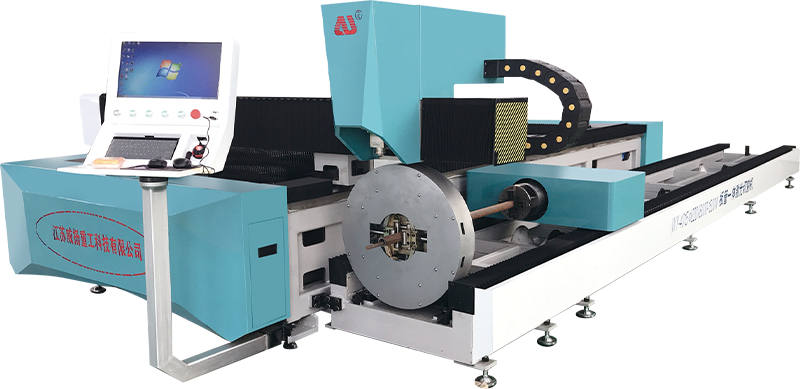
The mechanical reliability of the CNC Sweeper Truck on demanding terrain is not accidental. It reflects the broader manufacturing philosophy of CNC-based industrial production. Just as an Industrial CNC Machine achieves repeatable, high-precision output across thousands of production cycles by following exact programmed parameters, the CNC Sweeper Truck's core systems — brush control, water delivery, hopper sealing — are engineered to perform within tight tolerances regardless of external surface variables.
This precision manufacturing background translates directly into field durability. Operators in high-usage environments (daily 8–10 hour shifts, 6 days per week) report that CNC Sweeper Trucks consistently reach 5,000–7,000 operating hours before requiring major component overhaul — comparable to mid-range European competitors that cost significantly more to purchase and maintain.
If rough terrain performance is a primary procurement criterion, use this checklist when evaluating the CNC Sweeper Truck against alternatives:
- Confirm the ground clearance meets your worst-case road condition (minimum 250 mm recommended for mixed terrain).
- Verify brush float range — anything below ±10° will result in missed debris on cobblestone or potholed surfaces.
- Check water tank capacity relative to your daily route distance and dust suppression requirements.
- Assess gradient rating if your service area includes hills or ramps above 15%.
- Request a field demonstration on your actual road surfaces — not just manufacturer-provided test results.
The CNC Sweeper Truck offers strong value for rough terrain applications, particularly for operators prioritizing durability, large debris capacity, and cost-effectiveness over premium automation features. For municipalities with tighter budgets but demanding operational environments, it stands as one of the most capable options in its price class.
Related Product
-
 +86-13813747229
-
 [email protected]
-
 No. 22 Haifang Avenue, Chengdong Town, Hai'an City, Jiangsu Province,China.
Copyright © 2024Jiangsu Weiyang Heavy Industry Technology Co., Ltd. All Rights Reserved.
Custom Hydraulic Power CNC Press Brake Machines Manufacturers
