


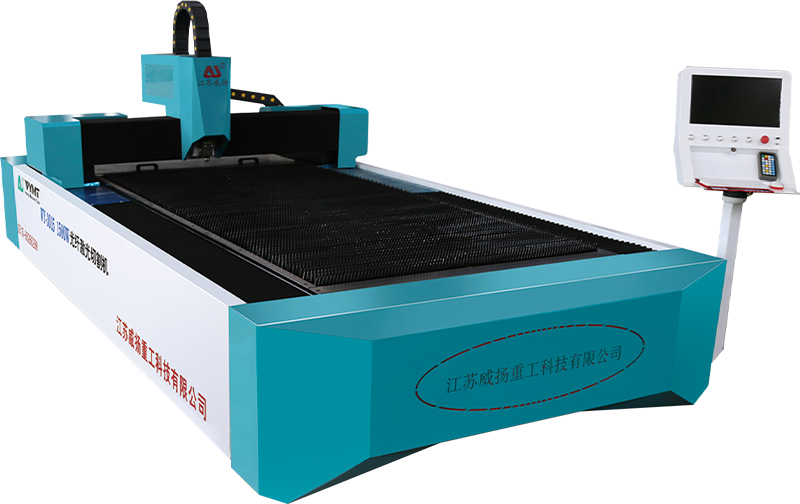
How does the Single Platform Laser Cutting Machine manage dust, fumes, and debris generated during cutting?
-
Integrated fume extraction systems: Modern Single Platform Laser Cutting Machines are equipped with sophisticated, high-capacity fume extraction systems that are designed to capture airborne particulates, smoke, and toxic gases immediately at the source of generation. These systems often feature strategically positioned suction ports around the cutting head or perimeter of the cutting area to maximize contaminant removal efficiency. By actively drawing in fumes and airborne debris, the machine prevents particulate accumulation on critical components, such as mirrors, lenses, and the laser nozzle, which could degrade cutting precision and reduce operational lifespan. Moreover, removing contaminants at the source minimizes operator exposure to potentially hazardous substances, including ultrafine particles and volatile organic compounds (VOCs), which can pose long-term health risks. Advanced fume extraction systems are engineered to maintain consistent airflow even during high-speed or high-power cutting, ensuring stable cutting quality and repeatable results across different materials.
-
Filtration technologies and air quality management: Extracted fumes and particulates are passed through multi-stage filtration systems integrated into the Single Platform Laser Cutting Machine. These typically include pre-filters to capture larger solid debris, HEPA (High-Efficiency Particulate Air) filters to remove fine particles, and activated carbon or chemical filters to neutralize odors and remove toxic gases. This combination ensures that the air released back into the workspace meets stringent occupational health and safety standards. Filtration systems are often modular and replaceable, allowing operators to maintain optimal performance without prolonged downtime. In industrial environments, such filtration not only protects workers but also contributes to environmental compliance, reduces the risk of contamination of other machinery, and prevents the accumulation of particulates on the factory floor or surrounding equipment.
-
Debris management and solid waste control: Beyond airborne particles, laser cutting generates solid waste, including slag, charred material, and small fragments of metal, plastic, or composite substrates. The Single Platform Laser Cutting Machine incorporates specialized debris collection mechanisms, such as collection trays, vacuum-assisted suction systems, or conveyor-integrated removal units. These mechanisms ensure that solid debris is efficiently cleared from the cutting area, preventing it from interfering with the laser path, scratching material surfaces, or causing defects in finished parts. In high-volume industrial applications, automated debris removal systems enable continuous operation by transporting waste to centralized collection points, reducing manual cleaning requirements, and minimizing machine downtime. Proper management of solid waste also prolongs the lifespan of the cutting bed and laser optics, maintaining precision over extended production cycles.
-
Protective airflow and cutting gas systems: To support fume and debris management, many Single Platform Laser Cutting Machines utilize controlled airflow around the cutting zone, often referred to as assist gas or nozzle airflow. This airflow serves multiple functions simultaneously: it helps expel smoke and debris away from the cutting surface, minimizes oxidation and surface burning of the workpiece, and stabilizes the interaction between the laser beam and the material. Common assist gases include nitrogen, oxygen, or compressed air, depending on the material type and desired cutting quality. Optimized airflow ensures that the laser beam is not scattered by particulates, maintaining clean, precise cuts while reducing secondary contamination and improving edge quality. The integration of airflow and assist gas systems demonstrates how dust and fume management is directly linked to cutting performance.
-
Maintenance, monitoring, and operational protocols: The effectiveness of dust, fume, and debris management in a Single Platform Laser Cutting Machine relies on proactive maintenance and monitoring. Routine inspection and replacement of filters, cleaning of ducts, and checking suction ports ensure that airflow and extraction efficiency remain optimal. Some machines are equipped with sensors that monitor airflow rates, filter saturation, and particulate accumulation, alerting operators to maintenance needs before cutting performance is compromised. By adhering to structured maintenance protocols, manufacturers can prevent contamination-related downtime, extend the lifespan of critical components, and maintain consistent cutting quality over the life of the machine.
Related Product
-
 +86-13813747229
-
 [email protected]
-
 No. 22 Haifang Avenue, Chengdong Town, Hai'an City, Jiangsu Province,China.
Copyright © 2024Jiangsu Weiyang Heavy Industry Technology Co., Ltd. All Rights Reserved.
Custom Hydraulic Power CNC Press Brake Machines Manufacturers
