


Does using a rolling machine reduce the need for additional finishing work?
Fabrication & Finishing — Deep Dive
Using a cnc plate rolling machine does reduce the need for additional finishing work, and in most fabrication environments the reduction is substantial — commonly 40% to 60% less secondary finishing labor compared to manual forming.
The Direct Answer: Yes, CNC Plate Rolling Cuts Finishing Work by 40-60%
Using a cnc plate rolling machine does reduce the need for additional finishing work, and in most fabrication environments the reduction is substantial. Because the machine forms the plate to a precise, programmed radius in a controlled and repeatable sequence, the resulting surface is far less likely to show the dents, flat spots, or uneven curvature that typically require grinding, hammering, or re-rolling under manual methods. Shops that switch from manual forming to a cnc plate roller commonly report a 40% to 60% reduction in secondary finishing labor, particularly on parts destined for welded pressure vessels, tanks, or structural cylinders where surface consistency directly affects weld quality and inspection outcomes.
The reduction in finishing work is not incidental — it stems directly from how the machine controls pressure, feed rate, and roller alignment throughout the bending process.
The sections below explain exactly where these savings come from, what kinds of finishing work are most affected, and where some finishing steps still remain necessary regardless of the forming method used.
Why Manual Rolling Generates More Finishing Work in the First Place
Manual plate rolling depends on an operator manually adjusting roller pressure and repositioning the plate between passes. Because this process relies on visual judgment and physical feel rather than programmed control, it frequently produces minor surface irregularities: slightly uneven curvature along the length of the plate, localized flat spots near the leading and trailing edges, and inconsistent pressure marks where the rollers gripped unevenly.
These irregularities are rarely severe enough to reject the part outright, but they almost always require some form of correction before the part can proceed to welding or assembly. Common corrective steps include grinding down pressure marks, hand-hammering flat spots back into curvature, and re-rolling sections that failed to meet the required radius on the first attempt. Each of these steps adds labor hours and introduces additional risk of further surface damage.
cnc plate rolling machine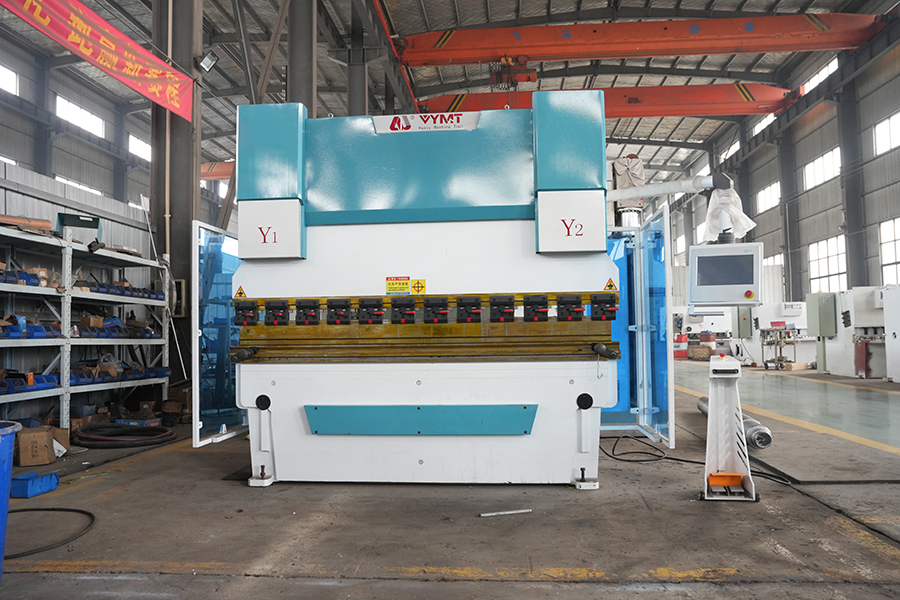
How Programmed Precision Minimizes Post-Forming Corrections
Consistent Radius Along the Entire Plate Length
A cnc plate rolling machine maintains programmed roller positions throughout the entire pass, which means the curvature at the leading edge, middle, and trailing edge of the plate is nearly identical. This eliminates one of the most common causes of finishing work in manual shops: end flattening, where the last few inches of a plate fail to reach full curvature because the rollers cannot fully grip the shorter remaining section. CNC systems compensate for this using pre-bending functions that curve the plate ends before the main rolling pass begins, virtually eliminating the flat-spot problem that otherwise requires manual correction afterward.
Reduced Surface Marking from Controlled Pressure
Because a cnc plate roller applies pressure according to a programmed value calibrated to plate thickness and material type, it avoids the uneven gripping force that often leaves visible marks or shallow gouges on manually rolled plates. Fewer surface marks mean less time spent on grinding or polishing before the part moves to painting, coating, or welding.
Comparing Finishing Requirements: Manual vs CNC Rolling
The table below summarizes the finishing tasks most commonly required after each forming method, based on typical mid-size fabrication shop experience.
| Finishing Task | Manual Forming (frequency) | CNC Plate Rolling (frequency) |
|---|---|---|
| Grinding pressure marks | Common | Rare |
| Hand-correcting end flat spots | Frequent | Occasional |
| Re-rolling out-of-tolerance sections | Frequent | Rare |
| Edge alignment adjustment before welding | Common | Occasional |
On a production run of 100 cylindrical sections, this difference can translate into dozens of fewer hours spent on secondary corrections, freeing up skilled labor for higher-value tasks such as welding and assembly.
Impact on Weld Preparation and Joint Fit-Up
One of the most valuable but less obvious benefits of a cnc plate rolling machine is how it improves edge alignment before welding. When a plate is rolled into a cylindrical or conical shape with consistent curvature, the two edges meet more evenly along the seam, requiring less manual clamping, wedging, or edge trimming to achieve proper fit-up. Poor fit-up caused by inconsistent manual rolling often forces welders to compensate with wider root gaps or additional tack welds, which increases both material use and inspection time.
Shops working under strict pressure vessel codes often see a significant drop in failed fit-up inspections once curvature entering the welding stage is already within tolerance.
Which Finishing Steps Remain Necessary Regardless of Forming Method
While a cnc plate rolling machine significantly reduces many finishing tasks, it does not eliminate all post-forming work. Some steps remain necessary regardless of how the plate was formed:
- Cleaning of mill scale, oxidation, or residue that accumulated before or during storage.
- Edge chamfering or beveling required specifically for the welding process, which is unrelated to rolling accuracy.
- Final dimensional inspection and marking before the part proceeds to the next production stage.
- Surface coating or painting preparation, which is a downstream requirement independent of the forming method.
CNC rolling reduces corrective finishing work caused by forming inconsistency, but it does not replace standard preparation steps that are part of any fabrication workflow.
Material Thickness and Its Effect on Finishing Outcomes
The thickness of the plate being formed plays a significant role in how much finishing work is required after rolling, regardless of the machine used. Thinner plates, typically under 6mm, are more prone to minor rippling or waviness when rolled manually, since the operator has less physical feedback to detect subtle inconsistencies. A cnc plate rolling machine compensates for this by applying programmed, uniform pressure across the entire pass, which is particularly effective at preventing the fine rippling that is difficult to correct by hand once it has occurred.
On thicker plates, generally above 20mm, manual rolling often results in incomplete curvature near the plate ends due to the physical force required to bend the material, leading to more aggressive corrective measures such as heat-assisted hand forming. CNC systems handle this more predictably by adjusting pass sequences and pre-bending routines specifically calibrated to the material's thickness and yield strength, reducing the likelihood of these end-forming issues.
Heat-assisted hand forming used to correct incomplete curvature on thick plates carries its own risks and often demands additional inspection before the part can proceed.
Cost Implications of Reduced Finishing Work
Reduced finishing work translates directly into measurable cost savings, both in labor hours and in the risk of secondary material damage caused by aggressive corrective techniques such as hammering or excessive grinding. A shop producing several hundred rolled plate sections per month may spend a considerable number of labor hours solely on corrective finishing when using manual rolling equipment. Shifting to a cnc plate rolling machine can reduce this labor allocation substantially, allowing those hours to be redirected toward welding, assembly, or quality control instead.
Additionally, reduced grinding and surface correction lowers the risk of thinning the plate excessively in localized areas, which can compromise structural integrity in pressure-bearing applications. This makes the finishing reduction benefit not just a matter of time savings, but also one of long-term part reliability.
Practical Factors That Influence How Much Finishing Work Is Saved
The actual reduction in finishing work experienced by a given shop depends on several practical factors, and it is worth evaluating these before assuming maximum savings will be achieved immediately after switching to a cnc plate roller:
- The accuracy of the programmed parameters relative to the specific material batch being rolled.
- Regular calibration and maintenance of the roller alignment and pressure sensors.
- Operator familiarity with programming pre-bending routines correctly for varying plate thicknesses.
- Consistency of incoming raw material, since variations in plate flatness or hardness can still affect final results.
Shops that maintain their equipment properly and train operators to program pre-bending routines accurately tend to see the most consistent reduction in finishing labor over time.
Summary: When the Finishing Reduction Matters Most
A cnc plate rolling machine reduces the need for additional finishing work primarily by producing consistent curvature, minimizing surface marking, and improving edge alignment for welding. This benefit is most pronounced in shops handling pressure vessels, tanks, and other applications where seam fit-up and surface quality are closely inspected. While some finishing steps such as cleaning, chamfering, and coating preparation remain necessary regardless of forming method, the corrective work caused specifically by inconsistent manual forming is significantly reduced when using a cnc plate roller. For shops producing rolled plate components at moderate to high volumes, this reduction in finishing labor often represents one of the more tangible, day-to-day cost benefits of upgrading from manual to CNC rolling equipment.
Related Product
-
 +86-13813747229
-
 [email protected]
-
 No. 22 Haifang Avenue, Chengdong Town, Hai'an City, Jiangsu Province,China.
Copyright © 2024Jiangsu Weiyang Heavy Industry Technology Co., Ltd. All Rights Reserved.
Custom Hydraulic Power CNC Press Brake Machines Manufacturers
