Manufacturing & Metal Fabrication — Equipment Guide
How Does a Shearing Machine Differ from a Punching or Cutting Machine?
A clear, practical breakdown of blade mechanics, material behavior, precision, and cost — written for fabricators deciding which equipment actually belongs on their shop floor.
The Direct Answer
A sheet shearing machine separates metal along a straight line using two opposing blades that create a controlled fracture through the material, without removing any mass. A punching machine, by contrast, uses a punch and die to physically remove a piece of material to create a hole or shape. Cutting is the umbrella term that includes shearing, punching, laser cutting, plasma cutting, and sawing — each method achieving separation through different physical principles.
The key distinction that matters most to fabricators is this: shearing produces straight edges with minimal material waste, while punching creates internal or external profiles by removing scrap material entirely. Understanding this difference determines which machine you need for a given production task, and choosing incorrectly can lead to wasted material, slower cycle times, or parts that don't meet tolerance requirements.
This article breaks down the mechanical differences, application scenarios, cost implications, and precision capabilities of shearing machines compared to punching and general cutting equipment, so you can make an informed equipment decision.
How a Shearing Machine Physically Works
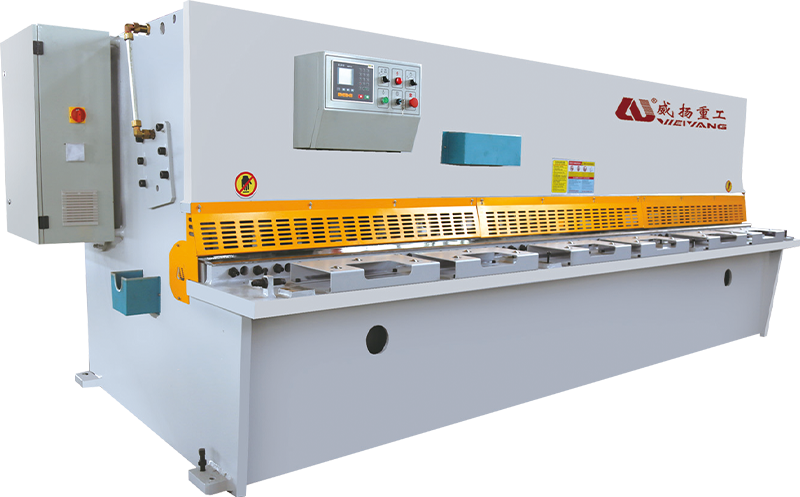
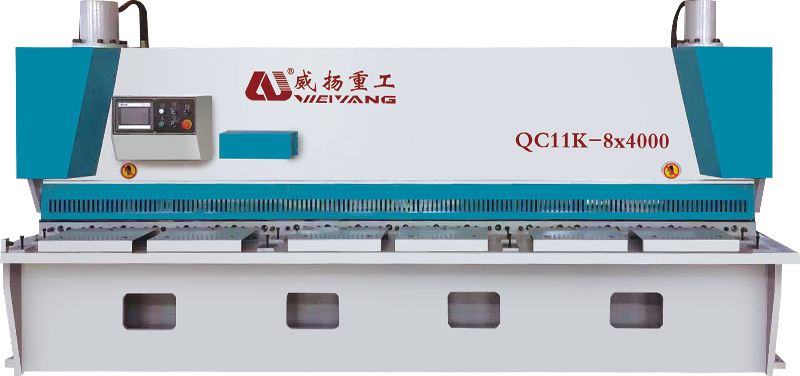
A shearing machine, particularly a hydraulic shearing machine, operates using two blades — an upper moving blade and a stationary lower blade — positioned with a small, precisely calibrated gap between them called blade clearance. When the material is clamped in place, the upper blade descends and applies concentrated force that exceeds the material's shear strength, causing it to fracture cleanly along a straight line. No material is removed in this process; the sheet is simply divided into two separate pieces.
shearing machine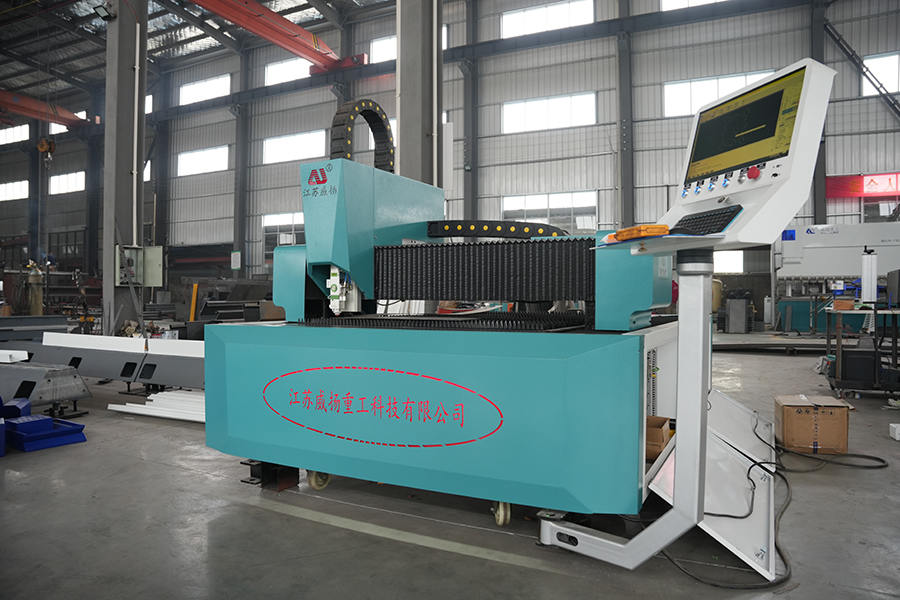
Blade Clearance and Its Role in Cut Quality
Blade clearance typically ranges from 5% to 10% of material thickness, depending on the metal type and hardness. Too little clearance causes excessive blade wear and rough edges; too much clearance produces burrs and a ragged fracture zone. Operators of a hydraulic metal shearing machine can often adjust this clearance electronically, allowing quick changeovers between different material thicknesses without manual blade repositioning.
Rake Angle and Force Distribution
Most shearing machines use an angled upper blade, known as the rake angle, rather than a flat blade striking the entire sheet width simultaneously. This angle — usually between 1 and 3 degrees — reduces the peak force required at any single moment, which allows a smaller hydraulic system to shear a wider sheet without requiring excessive tonnage.
Shearing doesn't remove material — it separates it. That single mechanical difference is the root of almost every practical distinction between shearing, punching, and thermal cutting.
How Punching Machines Differ Mechanically
A punching machine uses a hardened punch that drives through the material into a matching die opening. Unlike shearing, this process removes a slug of material entirely, creating a hole, slot, or custom-shaped cutout. Punching is ideal for producing repeated patterns — such as perforated panels, mounting holes, or ventilation grilles — that shearing simply cannot achieve, because shearing only produces straight-line separations across the full width or length of the sheet.
Punching machines also differ in tooling cost. Each hole shape or size requires a dedicated punch-and-die set, meaning a shop producing varied hole patterns must invest in multiple tool sets. A sheet shearing machine, by comparison, uses one blade set for virtually all straight-cut jobs regardless of the final part geometry, making it more economical for high-volume straight cutting.
Comparing Shearing, Punching, and General Cutting Side by Side
The table below summarizes the practical differences fabricators should consider when selecting equipment for a project.
| Feature | Shearing Machine | Punching Machine | Laser / Plasma Cutting |
|---|---|---|---|
| Cut Type | Straight lines only | Holes and custom profiles | Complex curved shapes |
| Material Removed | None | Yes (slug / scrap) | Yes (kerf loss) |
| Typical Thickness Range | Up to 25mm (hydraulic) | Up to 12mm typical | Varies widely by power |
| Cycle Speed | Very fast for straight cuts | Fast for repetitive holes | Slower, especially on thick material |
| Tooling Cost | Low (single blade set) | Higher (multiple dies) | Low tooling, higher energy cost |
Where Hydraulic Shearing Machines Outperform Punching and General Cutting
A hydraulic shearing machine excels in applications requiring high-volume straight cuts across large sheets. Because the process generates a controlled fracture rather than melting or removing material, it produces no heat-affected zone, no slag, and virtually no material waste along the cut line. This makes shearing the preferred choice for primary sheet processing — cutting large coils or plates down into workable blanks before secondary operations like bending, punching, or welding take place.
Speed Advantages in High-Volume Production
A well-maintained hydraulic shearing machine can complete a full-width cut in under two seconds, including clamping and blade travel. This is significantly faster than laser or plasma cutting for straight-line work, where the cutting head must travel the entire length of the cut at a controlled feed rate. For shops processing large volumes of sheet metal into rectangular blanks, this speed advantage translates directly into lower per-part production cost.
Material Thickness Capacity
Industrial hydraulic shearing machines commonly handle mild steel up to 25mm thick, with some heavy-duty models exceeding this range. Punching machines, particularly turret-style units, generally handle thinner gauges more efficiently — typically under 12mm — because punching force requirements increase sharply with thickness, and thick material significantly accelerates die wear.
Info
Rake angle and blade clearance settings should be re-verified whenever material type or thickness changes — even small deviations affect burr formation and edge straightness.
When Punching or Other Cutting Methods Are the Better Choice
Despite the strengths of a sheet shearing machine, it is not a universal solution. If a project requires holes, slots, louvers, or any shape other than a straight edge, punching is necessary. Similarly, if a part requires curved profiles, intricate contours, or engraved detail, laser or plasma cutting becomes the appropriate method, since shearing blades cannot follow a non-linear path.
Consider the following decision points:
- If the part requires only straight edges and trimming to size, a shearing machine is the fastest and most cost-effective option.
- If the part requires repeated holes or standardized cutouts, a punching machine reduces per-hole cycle time significantly.
- If the part requires curved or freeform geometry, laser or plasma cutting is required, since neither shearing nor punching can replicate non-linear paths.
- If material thickness exceeds typical punching capacity, a hydraulic metal shearing machine remains viable well beyond what punching tooling can safely process.
Warning
Attempting to shear thick, high-hardness alloys beyond the machine's rated tonnage can cause blade chipping, excessive deflection, or premature hydraulic system failure.
Precision and Edge Quality Comparison
Edge quality is a frequent point of comparison between these machine types. A properly calibrated shearing machine produces a clean, straight edge with a small burr that can typically be removed with light deburring. Punching, by contrast, often leaves a more pronounced burr on the exit side of the material due to the shearing action within the die clearance, particularly as tooling wears over time.
In terms of dimensional accuracy, a hydraulic shearing machine equipped with a programmable back gauge can achieve repeatable tolerances of ±0.1mm across repeated cuts, which is comparable to or better than many punching operations for straight-edge trimming tasks. This level of repeatability is particularly valuable in industries such as appliance manufacturing, HVAC ductwork, and structural steel fabrication, where consistent blank sizes directly affect downstream assembly quality.
Success
Shops that pair a programmable back gauge with routine blade maintenance consistently report the lowest scrap rates among all straight-cutting methods.
Cost and Maintenance Considerations
From a total cost of ownership perspective, shearing machines generally involve lower ongoing tooling expenses than punching machines. A single blade set on a sheet shearing machine can process a wide range of material thicknesses and part geometries, needing only periodic sharpening or clearance adjustment. Punching operations, however, require separate die investments for each distinct hole size or shape, and die wear accelerates when processing harder or thicker materials.
Maintenance routines also differ. A hydraulic shearing machine requires regular hydraulic fluid checks, seal inspections, and blade clearance verification, typically on a monthly or quarterly schedule depending on usage intensity. Punching machines require more frequent die inspection since punch tips wear faster under repeated impact cycles, especially in high-volume production environments exceeding thousands of hits per shift.
Danger
Neglecting hydraulic seal inspections can lead to sudden pressure loss mid-cycle, resulting in inconsistent cuts or, in severe cases, uncontrolled blade drop.
Choosing the Right Equipment for Your Workflow
In most sheet metal fabrication shops, shearing and punching are not competing technologies but complementary steps in the same production line. A typical workflow often begins with a hydraulic metal shearing machine reducing raw coil or plate stock into manageable blanks, followed by punching or laser cutting to add specific features like holes, slots, or curved edges. Understanding this sequence helps clarify why the question "shearing versus punching" is less about choosing one over the other and more about recognizing which stage of production each machine serves.
For shops evaluating a first major equipment purchase, the deciding factor often comes down to part complexity and production volume. High-volume straight cutting favors a dedicated shearing machine, while shops producing varied hole patterns or complex profiles benefit more from punching or laser systems. Many mid-sized fabrication operations ultimately invest in both, using the sheet shearing machine as the primary blanking tool and reserving punching or cutting equipment for secondary feature work.
In Summary
Shearing, punching, and thermal cutting each solve a different problem. Shearing delivers fast, waste-free straight edges and is best suited to primary blanking of large sheets. Punching removes material to create holes and repeatable profiles, at the cost of dedicated tooling for every shape. Laser and plasma cutting fill the gap for curved or intricate geometry that neither shearing nor punching can produce. The right choice is rarely about which machine is "better" — it's about matching the mechanical strengths of each process to the specific stage of your production line.