Manufacturing & Capital Equipment
Small Business or Factory-Scale:
How Laser Cutter Costs Really Diverge
From a $3,000 desktop unit to a half-million-dollar production line — what actually separates the two tiers, and where the money goes once you look past the sticker price.
Direct Answer: Small Business vs. Factory-Scale Laser Cutter Pricing
A small business laser cutter typically costs between $3,000 and $60,000, depending on power output, work area, and whether it is a diode, CO2, or entry-level fiber model. A factory-scale cnc laser cutting machine, built for continuous industrial production, usually costs between $80,000 and $500,000+, with high-power fiber systems for thick steel and stainless steel plates commanding the upper end of that range. The gap isn't just about the machine itself — it reflects differences in automation, cutting speed, duty cycle, and the infrastructure required to run the equipment safely and efficiently.
For a business owner deciding where to invest, the real question isn't "which is cheaper" but "which matches my production volume." A shop cutting a few dozen parts a week has very different needs than a factory running three shifts a day. Below, we break down exactly where the money goes at each tier.
What Separates a Small Business Machine From a Factory-Scale System
The price difference between these two categories comes down to five core factors: laser power, bed size, automation level, build quality, and duty cycle. A small business metal cutting laser cnc unit is usually designed for intermittent use — a few hours a day, cutting thin to medium-gauge material. A factory-scale system, by contrast, is engineered to run continuously for years without significant downtime.
Laser Power and Cutting Capacity
Small business machines commonly range from 500W to 3000W, enough to cut carbon steel up to 12-16mm and stainless steel up to 8-10mm. Factory-scale machines often start at 6000W and go up to 30,000W or more, allowing them to cut plates over 50mm thick at production speed. Every step up in wattage adds tens of thousands of dollars to the price tag, since higher-power laser sources, cooling systems, and cutting heads all scale in cost together.
laser cutter
Automation and Material Handling
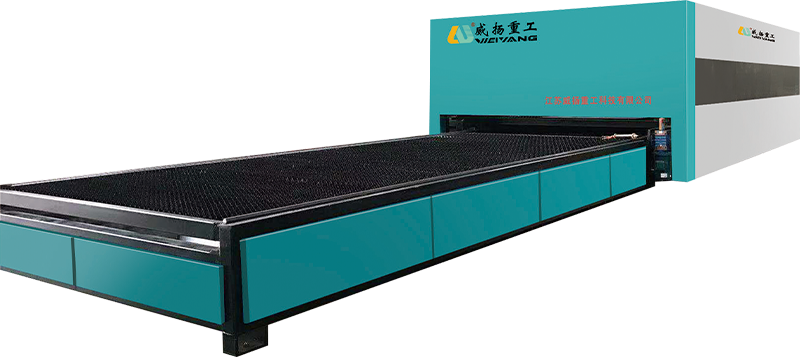
Small shops usually load sheets manually and monitor each cut. Factory-scale setups integrate automatic loading/unloading towers, pallet changers, and sometimes robotic sorting, which can add $50,000 to $150,000 on top of the base machine price. This automation is what allows factories to run lights-out shifts overnight.
The sticker price of a laser cutter is only the entry fee. What separates a workshop tool from a production asset is everything built around it — power, automation, and duty cycle.
Small Business Laser Cutter Cost Breakdown
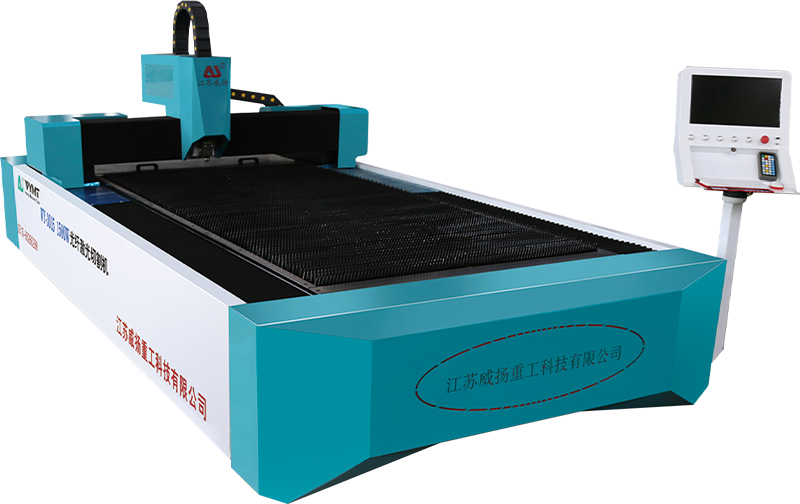
Small business buyers generally fall into three tiers, based on the type of laser source and the materials they need to cut. Below is a typical pricing structure seen across the market for a compact cnc laser cutting machine suited to a workshop or small fabrication business.
| Machine Type | Power Range | Typical Price | Best For |
|---|---|---|---|
| Diode/CO2 desktop | 10W–100W | $3,000–$10,000 | Wood, acrylic, thin non-metal |
| Entry fiber laser | 500W–1500W | $15,000–$35,000 | Thin to medium sheet metal |
| Mid-range fiber laser | 2000W–3000W | $35,000–$60,000 | Medium-gauge steel fabrication |
Most small businesses cutting sheet metal for signage, brackets, or custom parts land in the entry-to-mid fiber laser range. This tier offers a strong balance between cut quality, speed, and upfront investment, without the overhead a factory-scale system demands.
Factory-Scale System Cost Breakdown
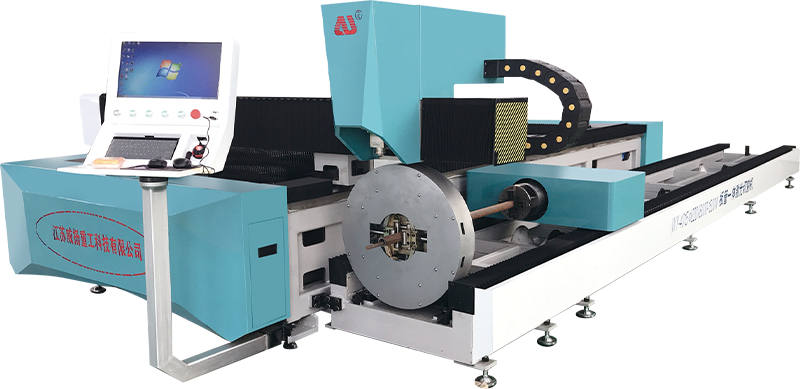
Factory-scale metal cutting laser cnc systems are priced on an entirely different scale, largely driven by laser source wattage, bed size (often 6–15 meters long), and integrated automation. A high-output system built for continuous industrial cutting represents a major capital investment, but it is priced against production throughput, not convenience.
- 6000W–8000W fiber laser with automatic exchange table: $120,000–$220,000
- 10,000W–15,000W high-power system for thick plate: $250,000–$380,000
- 20,000W–30,000W ultra-high-power line with tower loading and sorting: $400,000–$550,000+
These figures usually include installation and initial calibration, but not always the chiller, dust extraction, or nitrogen/oxygen gas supply infrastructure, which can add another 10–20% to total project cost. Factories running these systems typically justify the expense through 24-hour operation, where the cost per cut part drops sharply once volume scales.
Hidden Costs Beyond the Purchase Price
Whether buying a compact shop machine or a factory-scale line, the sticker price is never the full picture. Several recurring and one-time costs affect the real total cost of ownership.
Facility and Utility Requirements
Small business machines often run on standard 220V–380V three-phase power, requiring minimal electrical upgrades. Factory-scale systems typically need dedicated substations, industrial chillers, and reinforced flooring to support machine weight, which can add $20,000–$100,000 to a facility budget depending on the building's existing infrastructure.
Warning
Buyers frequently underestimate facility prep costs. Electrical, cooling, and floor-load upgrades for a factory-scale machine can rival the price of a small business unit on their own.
Training and Staffing
A small business machine can often be operated by one trained employee after a short onboarding period. Factory-scale systems generally require a dedicated operator, a maintenance technician familiar with the optics and cooling system, and sometimes a programmer for nesting software — adding meaningful payroll cost that should be factored into the investment decision.
Comparing Operating Costs Over Time
Running costs matter as much as the initial purchase, especially since a cnc laser cutting machine is a long-term asset. Power consumption, consumable parts, and gas usage differ significantly between the two tiers.
| Cost Category | Small Business | Factory-Scale |
|---|---|---|
| Monthly electricity | $150–$600 | $3,000–$12,000 |
| Consumables (nozzles, lenses) | $100–$400/month | $1,500–$5,000/month |
| Annual maintenance contract | $1,000–$3,000 | $10,000–$30,000 |
Info
While factory-scale operating costs look much higher in absolute terms, the cost per finished part is usually lower because the machine cuts far more parts per hour and spreads fixed costs across a larger output volume.
Return on Investment: Which Tier Pays Off Faster
For a small business, a $25,000–$40,000 metal cutting laser cnc machine can often pay for itself within 12–24 months if it replaces outsourced cutting jobs or enables new product lines. The lower upfront risk makes this tier attractive for businesses testing new markets or scaling gradually.
Success
Factory-scale investments typically target a 3–5 year payback period. Once volume justifies the investment, cost per part can drop by 30–50% compared to smaller machines, thanks to faster cutting speeds and reduced labor per unit.
How to Decide Which Machine Fits Your Business
The right choice depends on production volume, part complexity, and growth plans rather than price alone. Consider the following before making a decision.
- Estimate current and projected monthly cutting volume in hours, not just parts.
- Check whether your facility can support the power, cooling, and floor-load requirements of a larger system.
- Compare financing or leasing options, since factory-scale systems are often financed over 5–7 years.
- Factor in staffing needs, since larger machines require more specialized operators and maintenance support.
- Review material thickness requirements — cutting thick plate reliably usually requires higher wattage than a small business machine offers.
Businesses that are unsure often start with a mid-range fiber laser, which offers room to grow without the full commitment of a factory-scale line. This approach allows a company to validate demand before investing in high-volume automation.
Caution
Underestimating gas supply infrastructure is one of the most common budgeting mistakes. Nitrogen and oxygen systems for factory-scale cutting can require a separate, substantial line item.
Frequently Asked Questions
Is it cheaper to lease a factory-scale laser cutter instead of buying?
Leasing can reduce upfront cost significantly, with monthly payments often ranging from $3,000 to $8,000 depending on the system's power and financing terms. This can make sense for businesses that want factory-level output without a large capital outlay.
Can a small business machine be upgraded later?
Some components, such as the cutting head or controller, can be upgraded, but the laser source and bed size generally cannot be significantly changed. Businesses expecting rapid growth often plan for a full system replacement rather than incremental upgrades.
What is the biggest hidden cost buyers overlook?
Gas supply infrastructure — nitrogen and oxygen for cutting — is frequently underestimated. For factory-scale operations, a dedicated gas generation system can cost $15,000–$60,000 but pays off quickly by reducing dependence on delivered cylinder gas.
The distance between a small business laser cutter and a factory-scale system isn't just measured in dollars — it's measured in duty cycle, automation, and how a business plans to grow. Choosing the right tier means matching machine capability to real production volume, not chasing capacity you don't yet need.