


Hydraulic Shearing Machine Safety: 7 Critical Rules Every Operator Must Follow
The hydraulic shearing machine can slice through a 10 mm mild steel plate in less than a second. In that same second, a loose shirt cuff, an unguarded blade gap, or a hand reaching for scrap can turn a routine job into a permanent injury. Operators who stay safe on a shear do not rely on luck. They follow a repeatable set of safety rules that cover the machine, the material, and the people around it.
We build hydraulic shears and support fabrication shops in industries ranging from aviation and light industry to metallurgy and general machinery, and we have seen which habits actually prevent accidents. The conclusion is simple: most shearing accidents come from a small number of predictable failures. Inspections are skipped, guards are adjusted, lockout is rushed, or an experienced operator takes one shortcut too many. Fix those points and you eliminate the majority of injuries.
1. Inspect the Machine Before You Make the First Cut
The first cut of the day should never be the first check of the day. A pre-shift inspection takes about five minutes and catches most problems before they can hurt anyone. Start with the hydraulic system: check the oil level, look for leaks around cylinders and hoses, and listen for unusual pump noise. Then inspect the blades for chips, cracks, and looseness. Finally, test every safety device that guards the point of operation.
Use a simple checklist so nothing gets missed when the shift is busy. A practical version looks like this:
| Check item | What to look for | Why it matters |
|---|---|---|
| Hydraulic system | No leaks; oil level in range; no abnormal noise from the pump or valves. | A loss of pressure changes cutting speed and can stop the blade unexpectedly; leaked oil creates slip hazards. |
| Blades and blade gap | Blade edges sharp, free of chips and cracks; fasteners tight; gap matches material thickness. | Dull or loose blades cause burrs, kickback, and can eject material sideways. |
| Guards and interlocks | Front guard, rear fencing, and side covers are present and functional; interlock switches work. | Guards are the last physical barrier between a hand and the blade. |
| Emergency stop and foot pedal | E-stop stops the stroke at both control points; foot pedal returns fully when released. | A stuck pedal or failed E-stop makes unintended strokes possible. |
| Work area | Floor is clean and dry; lighting is adequate; no scrap or tools near the blade. | Good housekeeping prevents slips and keeps operators from reaching into the hazard zone. |
Record the results of the check, even when everything is normal. A written log reveals patterns over time and demonstrates that the shearing machine was verified before operation.
2. Respect the Hands-Off Zone
The most dangerous point on a hydraulic shear is the blade gap, the place where the upper blade meets the material. That is why it is called the hands-off zone. No matter how routine the cut looks, never put a hand near the blade gap while the machine is powered. Use a pusher stick, magnet, or brush to position material and remove scrap. If a sheet jams, shut down the machine, lock it out, and then clear the jam. Trying to free a jam while the pump is running is one of the fastest ways to lose a finger.
Foot pedal control deserves its own rule. Keep your foot off the pedal until the material is positioned and both hands are clear. In two-person cutting, agree on a signal before every stroke and confirm it aloud before pressing the pedal. If one operator is still adjusting material, the other must wait.
3. Wear PPE with Real Thought
Safety glasses are mandatory because small pieces of steel travel quickly and can hit the eyes even when you stand slightly to the side. Hearing protection is equally important; hydraulic shears produce enough noise to damage hearing over time. Wear snug-fitting work clothes with closed cuffs and steel-toe boots to protect your feet and lower legs from falling plate. Gloves work well for handling sharp sheet edges, but take them off before getting near the point of operation. A glove caught by the blade drags the whole hand into the cut.
4. Use Lockout/Tagout for Every Maintenance Task
Fatal shearing machine accidents often do not happen to the operator making cuts. They happen to maintenance and setup staff who change blades, adjust blade clearance, or clear a jam. A machine that is merely off can still have stored hydraulic pressure, and another person can step on the foot pedal if the control is not locked. That is why lockout/tagout, LOTO for short, is the most critical safety procedure for anyone entering the blade area.
The sequence is strict. Shut down the hydraulic pump, switch off the main power, apply your personal lock on the disconnect switch, attach a tag that explains the work in progress, and then release any remaining hydraulic pressure. Each person working on the machine must have their own lock and key. When multiple people work on the same machine, a group lockout box ensures that every lock stays in place until every worker is clear and ready.
Do not limit maintenance to the blade. The hydraulic system deserves regular attention because oil temperature, contamination, and worn seals change machine behavior. Understanding how the pressure and valve system works helps your team spot early signs of trouble before they become unpredictable strokes. Our technical overview of the hydraulic system of CNC shearing machines explains these operating principles in more detail.
5. Choose a Shear Design That Supports Safety
Good habits are essential, but the machine itself has to support them. A rigid frame, a reliable blade gap adjustment, and properly mounted guards make it harder to bypass safety and easier to see what you are cutting. Modern hydraulic shears should come with front guards, rear crash guards, emergency stop buttons on both sides of the frame, and a foot pedal protected from accidental activation. These features are not extras; they are basic requirements for a safe fabrication shop.
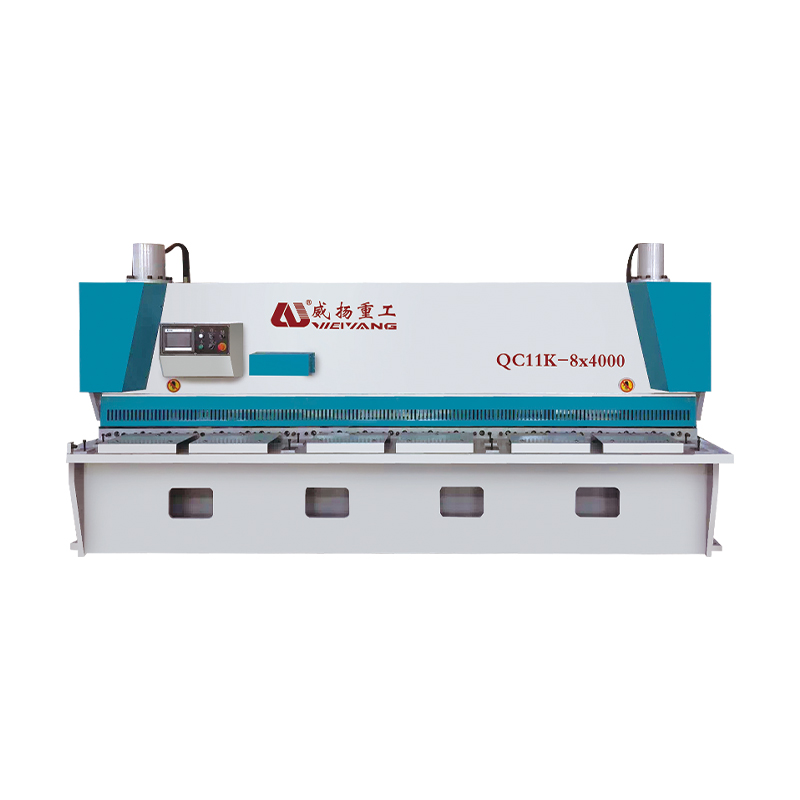
When you compare shears, look at how the guarding is built, not just at cutting capacity. For shops that cut a wide range of plate thicknesses and need clean, square edges, a gate shearing machine combines rigid construction with straightforward safety controls. You can review its guarding and specifications on the product page. The machine's design makes routine checks easier, so operators tend to keep up with them.
 OEM/ODM CNC Gate shearing machine Factory, ManufacturersJiangsu Weiyang Heavy Industry Technology Co., Ltd. is China CNC Gate shearing machine factory and manufacturers, we offer OEM/ODM Gate s...View Product →
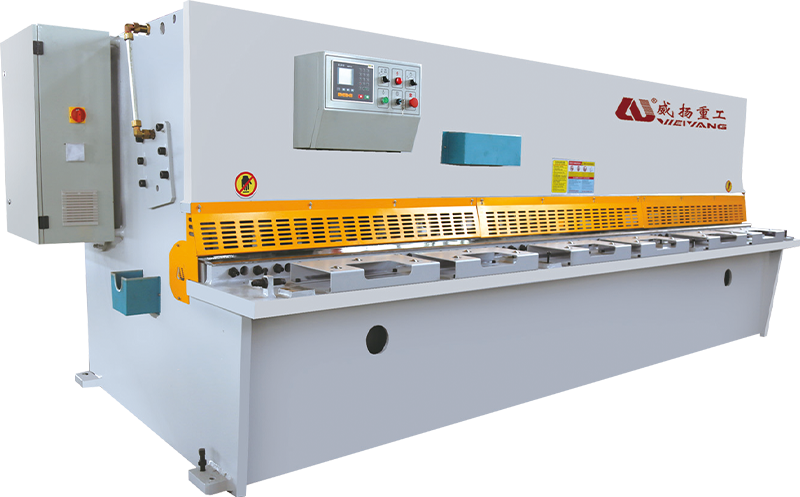
For plants working mainly with lighter gauge material or with limited floor space, a swing shearing machine may be a better fit. Its compact cutting geometry can reduce the amount of operator exposure near the blade gap, and the same safety options apply. The deciding factor should be whether the safety system can be used comfortably on every shift. If a guard is awkward, someone will eventually prop it open.
 CNC Hydraulic Swing Shearing Machine Manufacturers, FactoryAs China hydraulic swing shearing machine manufacturers and CNC swing shearing machine factory, Jiangsu Weiyang Heavy Industry Technology...View Product →
Do not overlook the maintenance history of rebuilt or second-hand equipment. A shear with worn cylinders, cracked hoses, and missing guards is a safety liability no matter how cheap it is. Budget for safety upgrades, including new front guards, light curtains, and proper wiring of the back gauge, before the machine enters the floor.
6. Make Safety a Daily Management Habit
A safety poster changes nothing by itself. The shops with the fewest incidents integrate safety into supervision. Every shift starts with a short briefing about the jobs planned for that day. A named operator is responsible for each shear, and a new employee may not run the machine alone until an experienced operator has signed off on their skill check. Near misses are reported and reviewed rather than buried, because a near miss is a warning that the next incident could be severe.
Our work with machinery manufacturing customers shows how important this discipline becomes on a busy floor. Shear operators often share the space with press brakes, welders, and overhead cranes. When production pressure rises, the temptation is to cut the inspection short or remove a guard for speed. Managers need to correct that behavior every time it appears, and they have to model the same discipline themselves.
7. Stop and Correct Common Mistakes Immediately
Even trained operators make mistakes. Every shearing accident we have reviewed traces back to one of a handful of errors, and each one is correctable if you catch it early.
- Reaching for scrap near the blade while the machine is powered. The blade can cycle without warning if the foot pedal is bumped or a control valve sticks.
- Adjusting the blade gap or clearing a jam without lockout/tagout. Hydraulic pressure can drop the upper beam even after the pump motor is turned off.
- Wearing gloves close to the point of operation. A caught glove pulls the hand into the blade faster than any operator can react.
- Bypassing front guards to speed up work. Guards are the only thing between your fingers and a moving blade; no production target justifies removing them.
- Ignoring hydraulic leaks and odd noises. Small leaks often turn into sudden pressure losses, and a noisy pump can be the first sign of a valve failure.
- Running a shear with two people but no clear communication. A stroke taken without confirmation can catch the other operator off guard.
If you see any of these behaviors on your floor, stop the work and correct it on the spot. That is the single most effective step a supervisor can take.
Hydraulic shearing machine safety is not a set of theoretical warnings. It is a practical system that begins with an inspection, continues with disciplined operation and maintenance, and depends on machine design and management attention. Inspect before you run, respect the hands-off zone, lock out before maintenance, choose shears with real guards, and make safety a habit that is measured like production. Do that, and the shear remains exactly what it should be: a fast, precise, and profitable tool.
Related Product

-
 +86-13813747229
-
 [email protected]
-
 No. 22 Haifang Avenue, Chengdong Town, Hai'an City, Jiangsu Province,China.
Copyright © 2024Jiangsu Weiyang Heavy Industry Technology Co., Ltd. All Rights Reserved.
Custom Hydraulic Power CNC Press Brake Machines Manufacturers
